
I don’t use shampoo. Well, I did, but it’s been around 18 months since I last ‘washed my hair’.
For those unfamiliar with the no-poo method (no shampoo!) this probably sounds gross and unnecessary. Most reactions are; ‘but, why?’ and ‘How is that even possible?’
I’ll address the ‘why’ first. Conventional self-care products are a toxic chemical cocktail that we put on, and therefore in our bodies. We have been marketed a product that we are told we need. The irony is, it’s the products themselves that cause hair grease, dry scalp, frizzy hair (also a major cause of hair loss!) and then in a viscous cycle we are told to use more products to treat the problems the products created in the first place.
Back in 2014 I watched a documentary called ‘Pink Ribbon Inc.’, it exposes the corporate corruption behind the breast cancer ribbon campaign. How it was stolen by Estee Lauder from a woman named Charlotte Hayley. Recommended viewing for everyone, as I believe there isn’t anyone that’s been untouched by this illness in some way. The charity for breast cancer has become a corporate monster, with the pink ribbon being tied to products of all kinds, even, sadly, cancer causing products.
2014 was the year I started reading the labels of my food and my personal care products. I was in my mid-twenties, financially stable and child-free, so it was easy for me to dedicate time into research and make the needed changes. Thankfully there were eco-products on the market that I (blindly) trusted. I’ve since learnt that there is no regulating body for ‘natural’ claims, and labels can’t always be trusted. You really do have to read the small print, head to your computer and look up each ingredient (time consuming, but worth it). My first child arrived in 2016 and it catapulted me into protective mum mode, my label reading and researching went to the next level. I held my newborn baby, with her gorgeous smell and her unpolluted body and it seemed ludicrous to me that a company got away with telling us we ought to clean them! Baby shampoo?! Baby shower gel?! Baby bubble bath?! When she did eventually get submerged into water, it was just water. As she grew, we would add a small spoon of coconut oil into her baths, and when she became more verbal she requested ‘mermaid baths’ which consisted of dried lavender and rose petals and some Epsom salts.
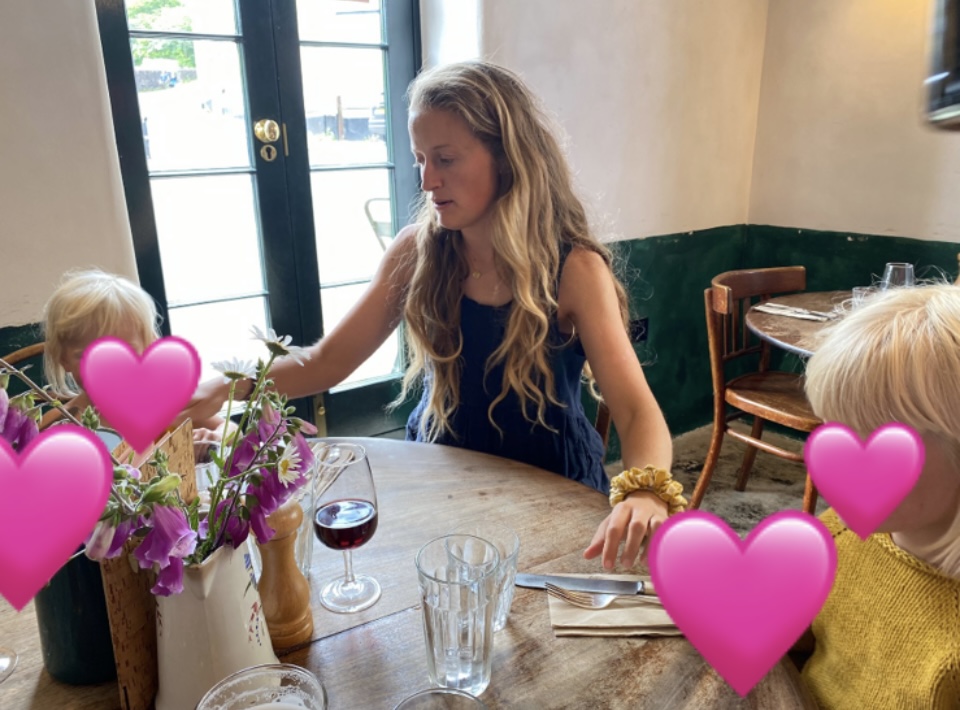

I get it, I’m a crunchy mum. But you don’t have to be a hippy or activist to want to avoid these ingredients which are found in conventional shampoos;
- Benzalkonium Chloride and Benzethonium Chloride – functions as a preservative, antimicrobial and surfactant – associated with severe skin, eye, respiratory irritation and allergies.
- Parabens – used as preservatives for their antibacterial and anti-fungal properties. They have been found in low concentrations in tumours and are believed to disrupt hormone function. They are even used in baby shampoos.
- Artificial Fragrances – a major cause of allergic reactions, contain chemicals protected as a trade secret, the full ingredients do not have to be listed on the label.
- Sulfates – Sodium laurel (SLS), sodium laureth (SLES), and ammonia laureth (ALS) -detergent and a surfactant often contaminated with carcinogenic 1-4, dioxane and since it’s a by-product, it won’t be listed. Sulfates are used because they lather well. Huge bubbles feel great they aren’t necessary for clean hair.
- Propylene Glycol – is used in anti-freeze for your car radiator, you can also find it in moisturizers, hand sanitizers, baby products, conditioners, and shampoos. It is linked to liver abnormalities and kidney damage.
- Retinyl Palmitate – a synthetic form of palm oil.
- DEA or Diethanolamine – a wetting agent used to create a rich lather that many consumers like in their shampoo. DEA reacting with other chemicals in the shampoo can create an extremely potent carcinogen called NDEA which is easily absorbed through the skin and is linked with bladder, esophagus, liver and stomach cancer.
- Triethanolamine (TEA) – a detergent restricted in Europe because of possible carcinogenic effects.
…and that’s just a handful of the main ones. The vast majority of the 80,000 chemicals that are regulated have not been thoroughly tested for health and environmental hazards. Only 25% of the chemicals in consumer products have been fully screened for health effects, according to the US Environmental Protection Agency, which administers the law. The thing is, even if they say that the ingredients were tested and safe in small amounts, nobody tested the effects of long-term use on a regular basis. And there has never been tests for the effects of these ingredients mixed together, they are always tested (if tested at all) in solitary. Hence why I call them a chemical cocktail. All of these chemicals get absorbed into the skin, and find their way inside our bodies. It’s overwhelming, it’s depressing, but you can stop using these products and at least guarantee your own home is a safe place, because it’s now believed that the toxic air inside peoples homes, poses more of a threat to their overall health than that of traffic pollution.
If you’re still reading, I hope that means I’ve piqued your curiosity? But still, the question remains, ‘how?’
As previously mentioned, my girls have never used shampoo and their hair feels, smells and looks as clean as anybody else, this daily reminder reaffirmed that hair can exist without these recent (dangerous) inventions. Sadly, I had built up reliance on these products and going cold-turkey didn’t work for me. It was as most people imagine; a heavy, greasy, dull looking head of hair that became difficult to brush and began to matt at the back. I went back to using my eco shampoos and didn’t attempt again for another couple of years. This time it was a more gradual approach. Here’s what I did:
- I began stretching my days between each wash; 10 days, 2 weeks, 3 weeks etc.
- I’d gradually used less shampoo each time.
- I discovered co-washing!
Co-washing? Yup, it’s a thing. Basically conditioner-washing, using only conditioner. (There is loads of information about this on the internet), straight away it feels safer as conditioner doesn’t foam, and foaming agents are some of the most dangerous ingredients we deal with (you’ll notice eco shampoos, toothpastes and other cleaners don’t foam as much, if at all, as foam = chemicals!)
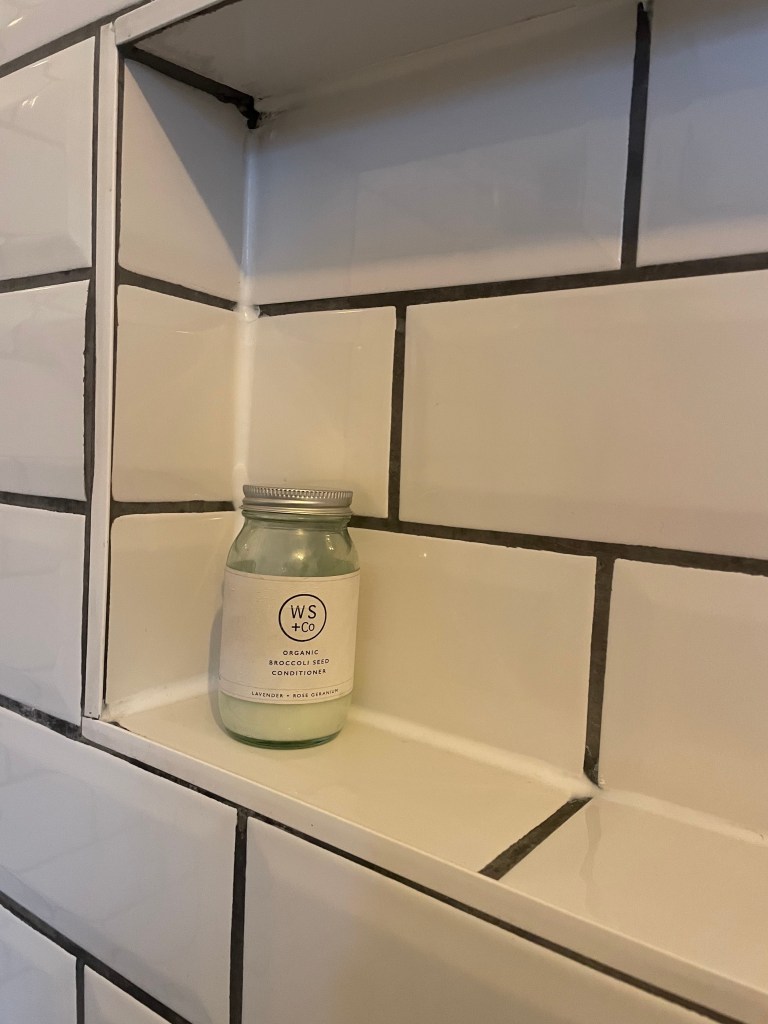
My conditioner of choice was by Wildsage&Co its plastic free too as an added bonus. We sell this in our shop, it is much more expensive than conventional conditioners, but when you’re ditching all the other products, I imagine it balances itself out. I still have never used this on my girls, because A) they’ve never needed it, and B) although the ingredients are naturally derived, there’s still some in there that I’d ideally like to avoid. But as far as eco conditioners go, it’s the cleanest I’ve found. I now make my own leave-in-conditioner that we pop on wet hair if we have been swimming, and sometimes I spray on the ends of my hair, when dry, as I feel it moisturises it slightly (recipe at the bottom of this post). Another thing I’ve done on occasion, especially during the summer months was to squirt a little Aloe Vera into my palms and rub through my hair. Please read the labels even when buying aloe vera, I once bought some from a health food shop and the additives were horrendous and I wouldn’t use it, I felt so upset as it said ‘organic aloe vera’ but the rest of the stuff they’d bulked it out with wasn’t! I now order this one from online.
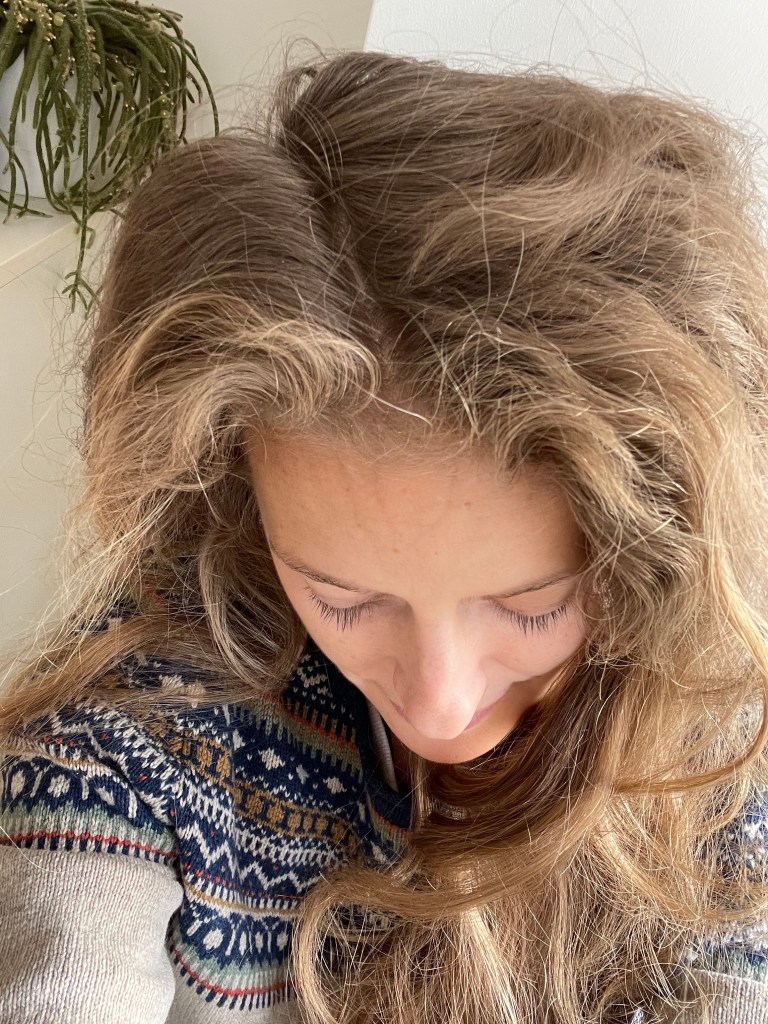
I was loving life as a co-washer and thought that’s the closest I’m getting to being product free but even these washes started to naturally space themselves out, as my hair just didn’t need washing as much. I noticed it became stronger, longer and my frizzy hair which I’d often battled, became curly hair. Last summer I only co-washed if I’d been in the ocean, as the salt would go hard and crisp and needed to come out. But since then, this is totally wild, I have not washed/co-washed or even WET my hair. August was the last time my hair got wet (it’s now the end of January!). I still surprise myself when I realise how I can exist without shampoo and how in theory, the hair washes itself. It doesn’t get greasy, it doesn’t smell and it’s super healthy. I brush it every morning, and after the morning brush, it looks freshly washed. It’s as though my natural oils, clean it as I brush. Every morning I self-massage my face/neck/shoulders/arms with coconut oil and then add a drop of essential oil into my palms and rub that over my skin, finishing off with rubbing/drying my hands in my hair, so you can still have fragranced hair, if you choose. I have thick hair down to my waist and I feel if my hair can be tamed, so can yours.
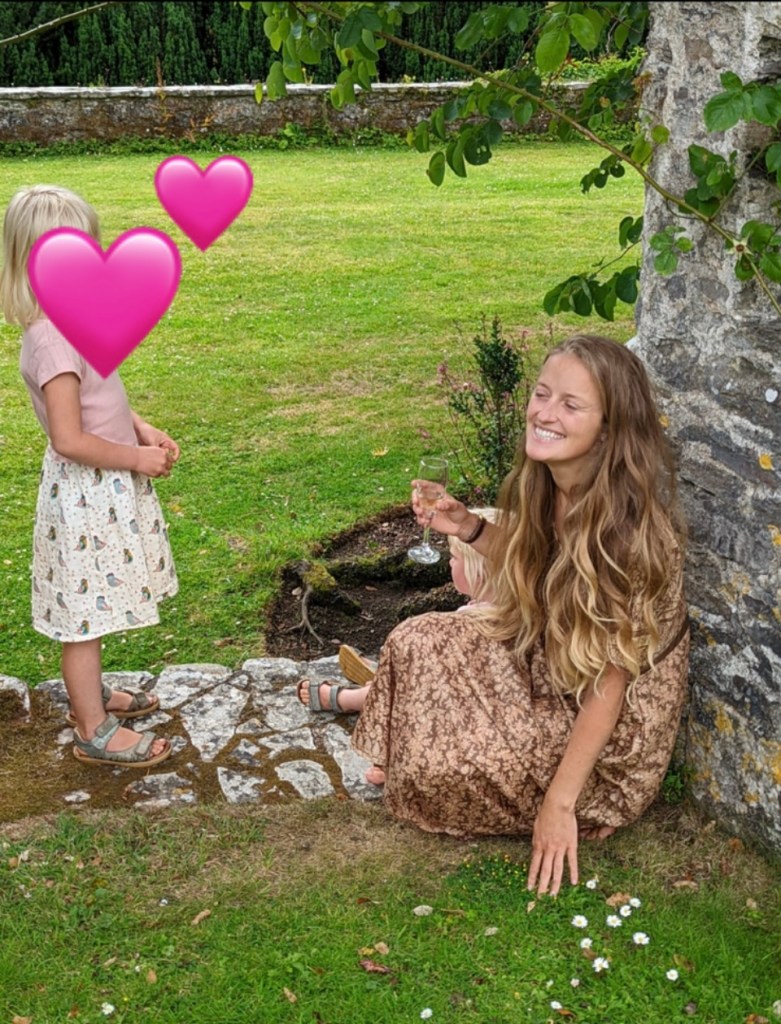
The reason I share this hair journey with you, is because it feels powerful to say NO to chemicals, NO to disposable plastic bottles and YES to returning to a simpler, more natural way of life. Think of all those shops across the world, lined with aisles of these products, all filled with harmful chemicals, all the plastic bottles ending in landfill. Think of all the people, using on average 20+ products DAILY on, and therefor in, their bodies. Think of all the hormone related cancers that are becoming normal as we clean ourselves in hormone disrupting chemicals. Escaping this is powerful.
Be warned though, once you go down the rabbit hole of chemical products to natural products, you will initially freak out! And then you’ll want to make some big changes! My whole home and lifestyle are now chemical-free (I’ve been journeying with this for close to 10 years though, so give yourself time). I consciously choose each product our family uses and have as a result, I have become extremely sensitive to synthetic fragrance and chemicals. I find it uncomfortable to be around perfumes, detergent-drenched clothes, plug in air fresheners, deodorants and candles! Damn, it was the main reason we bought a van, that place is my organic sanctuary, saving me from spending nights suffocating in toxic bedding at hotels, air BnBs or friends/family. The one thing that stuck with me all those years ago, was when I read Meghan Telpners Book, ‘UnDiet’ and she delved into chemicals and quoted, ‘the smell of clean is no smell at all’. That was it, the smells I used to love, became red flags to me. I rewired my brain to understand them as dangerous, not luxurious. I still enjoy beautiful scents, but I get them from natural sources; edible plants/foods, essential oils and flowers. I have this beautiful memory from a couple of years back, I was walking up my stairs on a gorgeous summers day, the back door was open and in blew a warm breeze filled with the delicate scent of flowers. It filled my senses, it was beautiful and I can return to it time and time again in my memory (and physically every June, where I often head outside to smell them on purpose). What dawned on me, is that scent would’ve been lost, masked by the more dominating man-made chemicals usually found within a home. A drop of tea tree E.O in cleaning products, a dollop of aloe vera for your hair, coconut oil on my skin, some dried lavender in my draw…it becomes enough, but more importantly, it becomes safe.
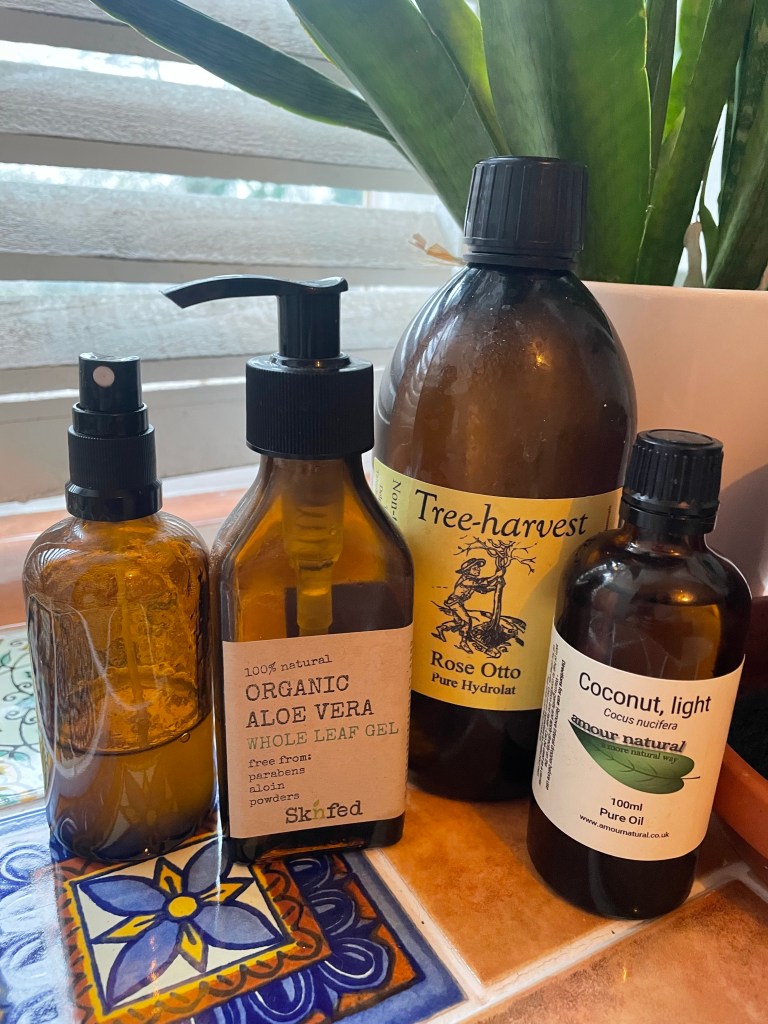
Conditioner spray recipe:
- ½ cup aloe vera gel
- ½ cup rose water
- 1 tbsp fractionated coconut oil
Mix all ingredients together and pour into a spray bottle. Avoid scalp area if you’re prone to greasy hair. From mid-length to ends is ideal. Works on wet and dry hair. Don’t rinse out.

 thelivingfamily.blog